Detailed Description
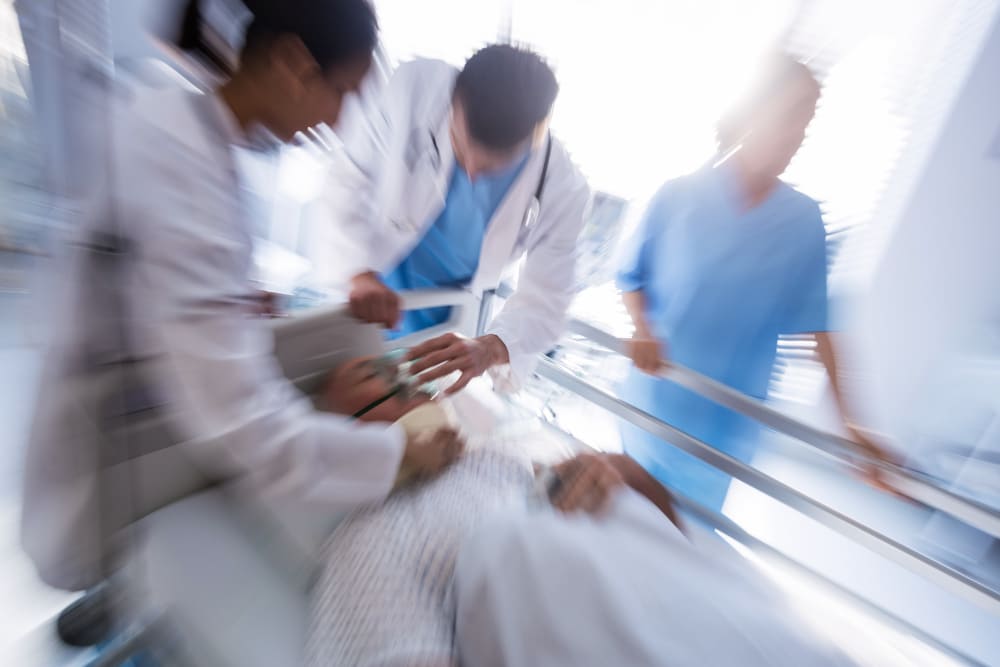
A brain stroke is a severe medical emergency that necessitates immediate medical intervention. It occurs when the supply of blood to the brain is either obstructed due to a blockage (ischaemic stroke) or when a blood vessel bursts, leading to bleeding in the brain (haemorrhagic stroke). Strokes can result in lasting damage or even be fatal, making swift identification and rapid response critical to improving outcomes and minimising complications. Here’s a comprehensive guide on how to recognise and administer first aid for a stroke effectively.
Understanding the Different Types of Strokes
Strokes can be classified into the following types:
Ischaemic Stroke: This is the most common type, occurring when a blood clot or plaque build-up blocks blood flow to the brain. Factors such as high blood pressure, high cholesterol, and diabetes significantly increase the risk of an ischaemic stroke.
Haemorrhagic Stroke: This results from the rupture of a weakened blood vessel, causing bleeding in the brain. Common causes include hypertension (high blood pressure) and aneurysms (weakened artery walls that bulge and may burst).
Transient Ischaemic Attack (TIA): Often referred to as a mini-stroke, this is a temporary blockage of blood flow to the brain, lasting only a few minutes to hours. Although symptoms resolve, it is a major warning sign of a potential full-scale stroke in the future and must not be ignored.
Recognising the Signs of a Stroke
Early recognition of stroke symptoms is key to ensuring timely medical intervention. The FAST method is a simple yet effective way to identify a stroke:
Face: Ask the person to smile- does one side of their face droop?
Arms: Ask them to raise both arms- does one arm drift downward?
Speech: Ask them to repeat a simple sentence- is their speech slurred or incomprehensible?
Time: If you notice any of these signs, dial emergency services immediately.
Additional symptoms that may also indicate a stroke include:
Sudden confusion or trouble understanding speech
Blurred, blackened, or double vision in one or both eyes
Sudden dizziness, loss of coordination, or difficulty walking
A severe headache with no apparent cause
First Aid: What to Do Immediately
Call Emergency Services Immediately - The first and most crucial step is to seek professional medical help without delay. Time is of the essence, and receiving treatment as soon as possible can significantly reduce the risk of long-term disability or death.
Keep the Person Calm and Comfortable- Panic can exacerbate the situation. Reassure the individual and keep them as relaxed as possible.
Lay the Person on Their Side- If they are unconscious or vomiting, place them in the recovery position (lying on their side) to prevent choking.
Check for Breathing and Pulse- If the person is unresponsive and not breathing, initiate CPR if you are trained to do so.
Note the Time of Symptom Onset- This is critical information for healthcare providers, as it determines eligibility for clot-busting treatments.
Avoid Giving Food, Drink, or Medication- Refrain from offering aspirin or any medication, as some strokes (such as haemorrhagic strokes) can worsen with blood thinners.
What Not to Do
Do not delay calling for emergency assistance- Every minute matters. Waiting to see if symptoms improve on their own could lead to irreversible brain damage.
Do not attempt to move the person unnecessarily- Unless they are in immediate danger, moving them could exacerbate their condition.
Do not let them fall asleep- Keep them awake and alert if possible until medical professionals arrive.
Preventing Strokes: Key Lifestyle Changes
While some risk factors for stroke, such as age and genetics, are beyond our control, many lifestyle adjustments can help prevent its occurrence. Some of the most effective preventive measures include:
Maintaining a Healthy Diet: A diet rich in fruits, vegetables, whole grains, and lean proteins while limiting processed foods and saturated fats can significantly lower stroke risk.
Regular Physical Activity: Engaging in moderate exercise for at least 30 minutes most days of the week helps maintain cardiovascular health and reduces hypertension.
Controlling Blood Pressure and Cholesterol Levels: Managing these two factors through a balanced diet, regular check-ups, and, if necessary, medication is essential for stroke prevention.
Avoiding Smoking and Excessive Alcohol Consumption: Smoking increases blood clot formation, while excessive alcohol raises blood pressure and contributes to an unhealthy weight.
Managing Diabetes Effectively: Keeping blood sugar levels under control through proper diet and medication can reduce the likelihood of stroke.
Seek Expert Stroke Care at Adichunchanagiri Hospital
If you or a loved one experiences stroke symptoms, immediate medical intervention is vital. At Adichunchanagiri Hospital, our team of expert neurologists and emergency response specialists are equipped with state-of-the-art technology and advanced treatment protocols to provide life-saving stroke management and rehabilitation.
Don’t wait, as every second counts. Call Adichunchanagiri Hospital or visit our emergency department for immediate assistance. Timely treatment can make all the difference in recovery and survival.